The holidays are over, the tree’s tucked away, and suddenly everyone’s supposed to be back to “normal.” But if your mornings feel a little more chaotic or your kids a little more emotional, you’re not alone.
Post-holiday transitions for kids can be surprisingly tough. After weeks of cozy pajamas, family time, and sugar-fueled fun, getting back to routine after the holidays can feel like a crash landing. The good news? With empathy, predictability, and a few intentional tools, your family can find your rhythm again, gently.
Identifying Emotions During the Transition
When the Magic Ends: Processing Disappointment
When the lights come down and the days go back to ordinary, kids often feel a real sense of loss. The joy of family time and loosened routines fades fast, and suddenly they’re expected to dive right back into structure.
Instead of brushing it off with a “You’ll feel better soon,” try slowing down and acknowledging what’s true:
“I can tell you’re really missing our holiday mornings together.”
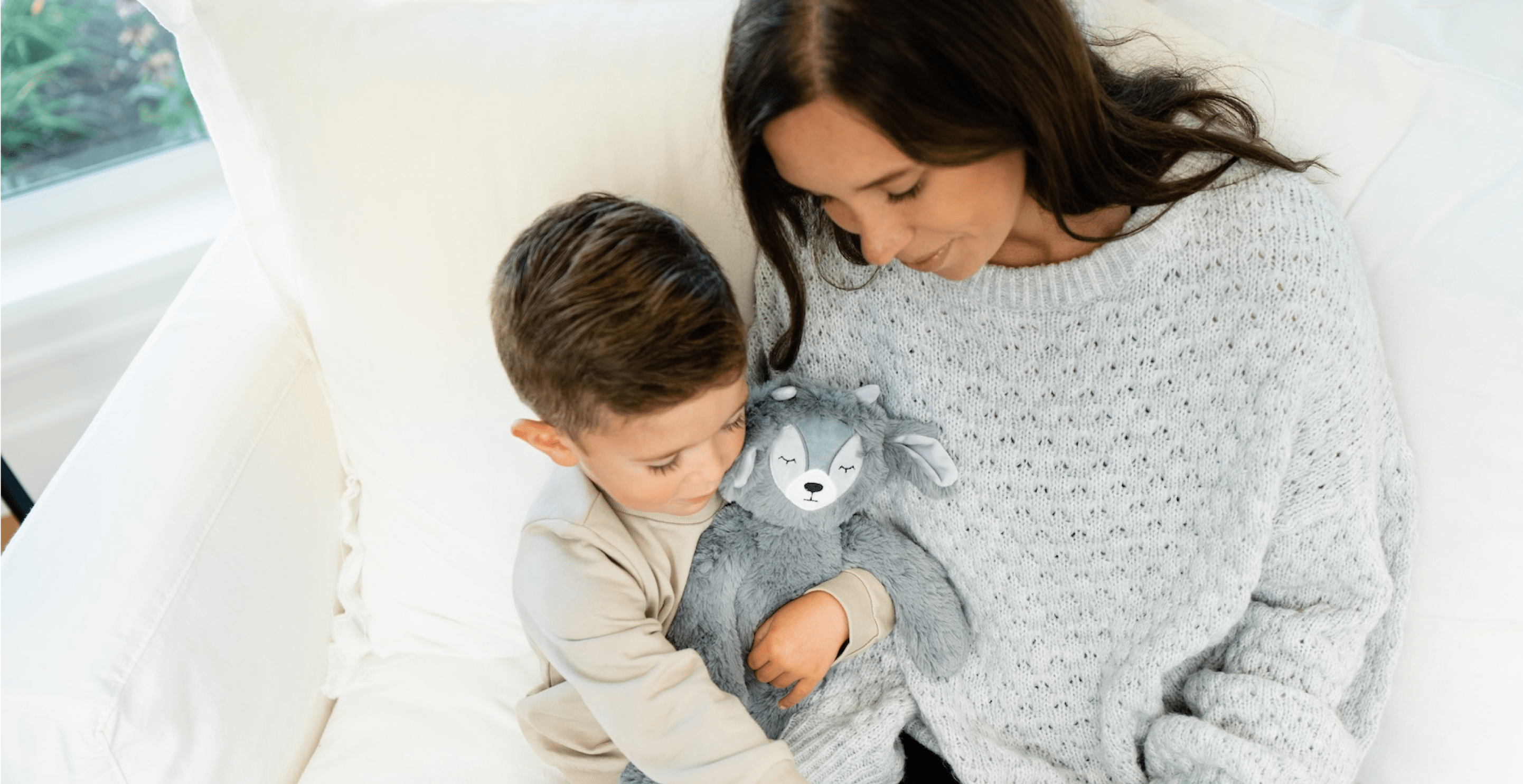
That validation tells your child their feelings make sense and that you can handle them. The Fox Snuggler and story from the Change Collection can help children express emotions like disappointment, sadness, or nervousness about what’s ahead.
Holding Space for Mixed Emotions
Children can be both happy and sad at the same time. They can be grateful for the memories and bummed that they’re over. Helping kids notice that both feelings can coexist teaches emotional flexibility, a key part of managing change emotions.
Try making a “memory jar” together: jot down favorite holiday moments and put them in a jar. Pull one out whenever nostalgia hits, or you need a conversation starter. Or share stories at dinner about “the funniest thing from break.” Little rituals like these remind children that joy doesn’t disappear just because the season has ended.
Returning to School After Time Away
Preparing for the First Day Back
Re-entry after the holidays can be jarring. Suddenly, there are alarm clocks, backpacks, and lunchboxes again. You can make the transition easier by gently reintroducing structure:
- Move bedtime and wake-up times back in small steps.
- Let kids help pack backpacks or pick out outfits.
-
Talk through what the first day might look like so they can picture it.
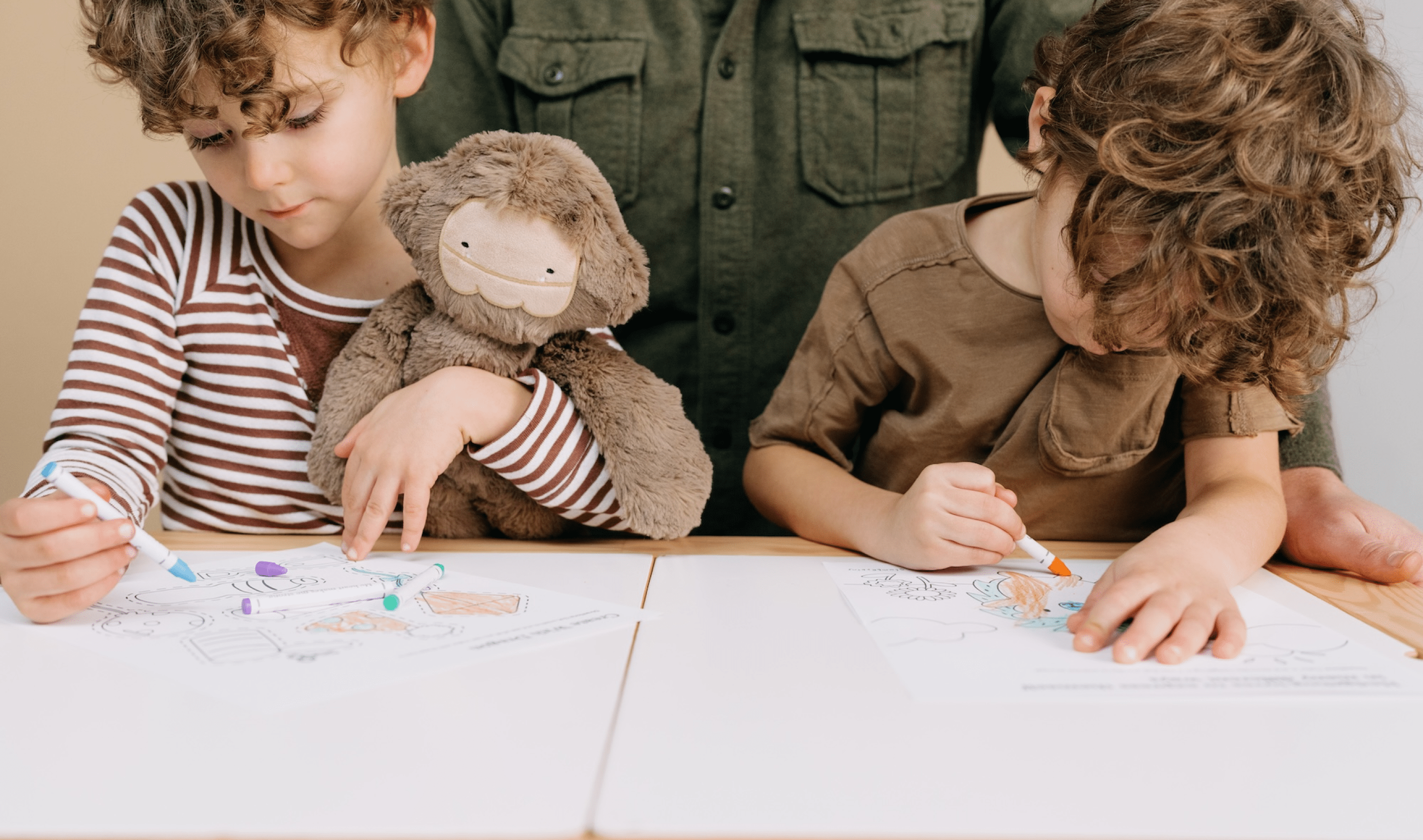
The Back to School Starter Kit helps make routines visual and empowering, giving kids a sense of ownership instead of overwhelm.
Addressing Anxiety About Reconnecting
Kids often wonder, “Will my friends remember me?” or “What if school feels hard again?” These questions are part of the natural worry that comes with reconnecting.
Try saying:
“It’s okay to feel nervous about going back. We can handle that feeling together.”
Reading with Sloth Kin, who models patience, gentleness, and confidence, can remind your child that familiar places can feel new again, and that’s perfectly okay.
Restoring Healthy Sleep Patterns
The Impact of Holiday Sleep Disruption
Late nights and travel are fun, but they can throw everyone’s internal clocks off balance. When kids are short on sleep, they’re often more emotional and less flexible. Research shows that consistent rest supports focus, mood, and coping (Centers for Disease Control and Prevention, 2022).
Steps for Bedtime Recalibration
You don’t need to overhaul bedtime in one night. Instead, take it slow:
- Move bedtime earlier in 10–15 minute increments.
- Bring back familiar bedtime rituals such as a bath, story, or snuggle.
-
Keep lights low and screens off to help little bodies wind down.
Reading Sloth Starts to Slumber together or using calming affirmations like, “My body can rest. My mind can slow down.” helps children feel safe and soothed as they drift off.
Predictable routines send an important message: you’re safe to rest now.
Reestablishing Everyday Flow and Predictability

Why Structure Provides Security After Change
When everything feels new again, structure becomes the steady hand that says, “You’re safe.” Predictable rhythms like consistent mealtimes and after-school connection moments help kids feel secure and capable.
According to research from Harvard’s Center on the Developing Child (2023), routines strengthen executive functioning and emotional regulation, two skills that help children adapt to change with confidence.
Start simple:
- A family breakfast before school.
- Five minutes of connection right after pickup.
-
A nightly affirmation ritual before bed.
Small, steady patterns make big emotional impacts.
Inviting Kids Into the Process
When children help shape routines, they’re more likely to stick with them. Ask:
“What helps you feel ready in the morning?”
“Do you want to make our schedule with drawings or stickers?”
Growing Through Transitions and New Beginnings
Post-holiday transitions aren’t just about getting back on track. They’re an opportunity for growth for our kids and for us.
Every morning routine rebuilt, every feeling named, and every bedtime story shared helps children strengthen their sense of self and trust that they can handle change.
So, if your family’s still finding its groove, take a breath. Progress over perfection, always.
Each emotion you welcome and each routine you rebuild helps your child face life’s changes with courage and connection.
References
-
Centers for Disease Control and Prevention (CDC). (2022). How Much Sleep Do Children Need? https://www.cdc.gov/sleep/features/how-much-sleep.html
-
Center on the Developing Child at Harvard University. (2023). Building Core Capabilities for Life. https://developingchild.harvard.edu/resources/building-core-capabilities-for-life