If you’ve ever paused mid-lesson to help a child calm their body, name a big feeling, or reconnect with a friend — you’ve already been teaching social and emotional learning (SEL).
Educators tell us that adding SEL tools on top of existing classroom management doesn’t add more — it elevates what’s already working. It strengthens connection, makes transitions smoother, and helps the whole classroom feel safer.
Slumberkins gives you the tools to do that seamlessly. Whether you’re ready for a full SEL curriculum or simple story-based supports, our approach helps educators and families speak the same emotional language. Teachers, parents, and kids all say the same thing: Slumberkins just works — because it’s easy, fun, and approachable.
Understanding SEL Lessons for Elementary Education
What Is SEL?
Social and emotional learning isn’t about teaching children what or how to feel — feelings are natural. SEL helps children understand their emotions as messengers of their needs. Every big feeling tells a story about what’s safe, connecting, or important to them.
When we teach SEL, we help children listen to those messages with curiosity and care, so they can navigate the world in a way that feels authentic and aligned. At Slumberkins, we use affirmations to bring these truths into conscious awareness. When a child repeats, “I am lovable even when I make mistakes,” or “I can get through hard things,” those words become lived experiences reinforced by story, play, and connection.
Learn more: What Is Social and Emotional Learning?
Why SEL Matters for Educators
When children feel safe and understood, their capacity for learning expands. SEL gives educators language and tools to move from managing behavior to nurturing connection. Research shows SEL supports academic growth and classroom engagement (Durlak et al., 2011; CASEL, 2024). But most teachers describe something deeper: a calmer, kinder classroom where everyone can be human.
Exploring SEL Curricula for Classrooms
Features of Strong SEL Curricula
Look for programs that are:
- Evidence-based and sequenced
- Adaptable across classroom types
- Aligned to CASEL competencies
- Trauma-informed and inclusive, honoring every child’s story (NCTSN, 2021)
Slumberkins’ Approach
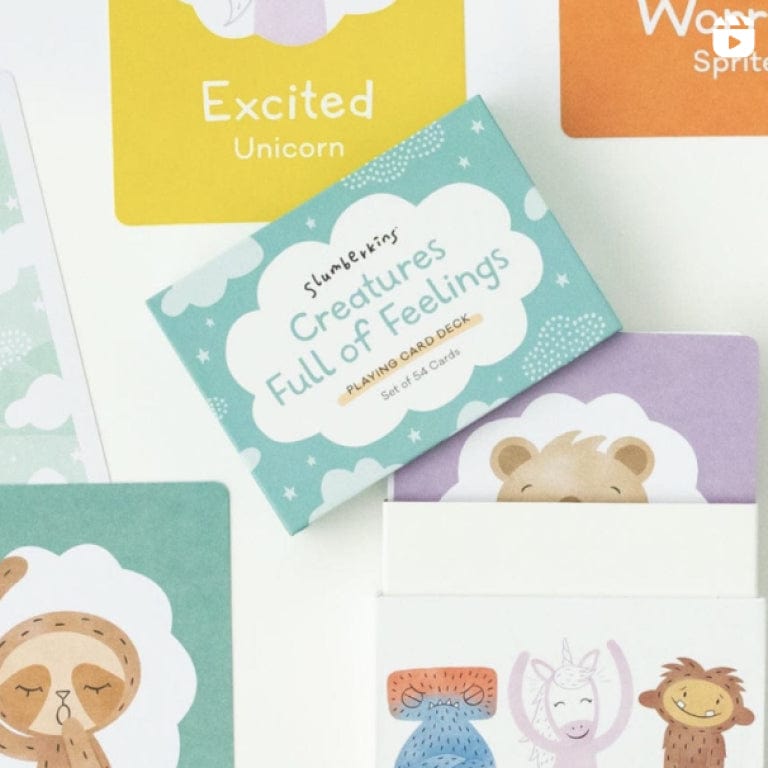
Slumberkins lessons are story-based, heart-centered, and easy to teach. Each creature represents an emotional theme — like confidence, connection, or calming — helping kids explore feelings through story and play.
The Educator Toolkit includes printable activities, sample lessons, and conversation starters that fit right into your day.
Social and Emotional Lesson Plans and Unit Plans for Elementary Students

Where can educators access unit plans on emotional learning?
The Curriculum Hub Subscription
The Curriculum Hub provides a full year of SEL lesson plans aligned with CASEL competencies. You’ll find printable activities, songs, digital slides, and caregiver extensions — all designed to make SEL easy to implement.
Explore: Curriculum Hub Subscription
The Feels Curriculum
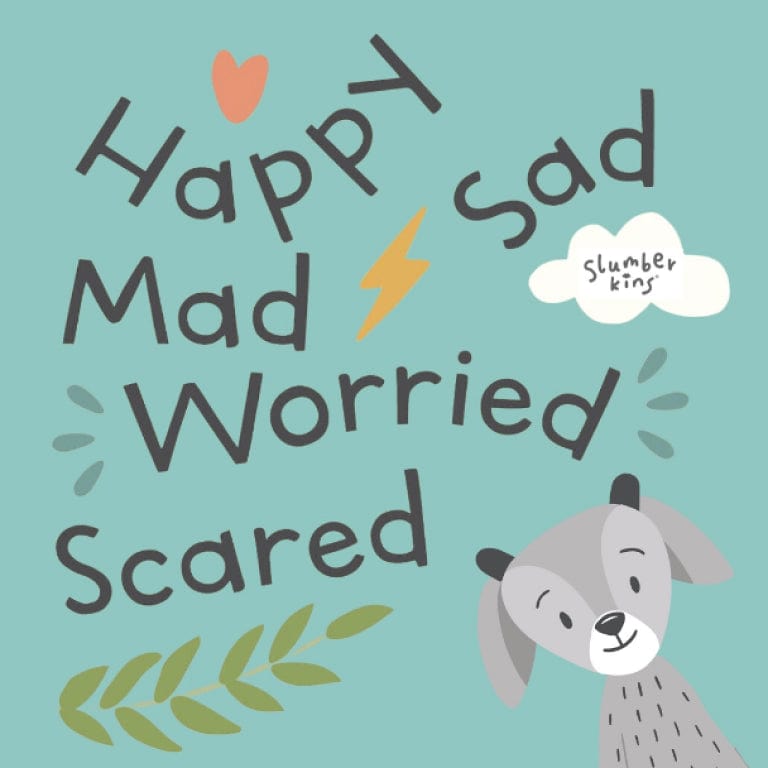
“The Feels” helps educators and families de-escalate big emotions by turning feelings into characters children can understand.
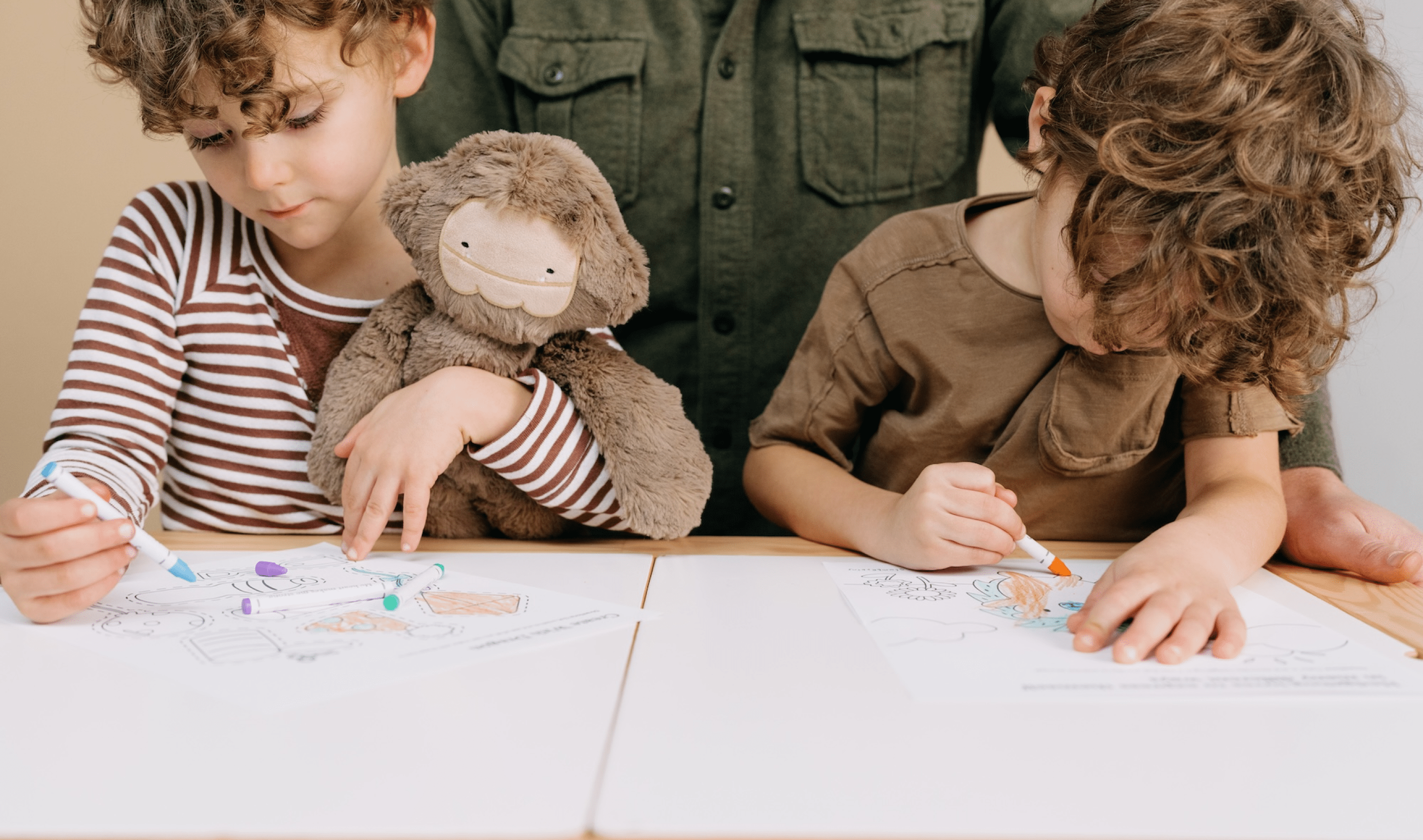
In the story, Yeti meets Mad, Sad, Worry, and Scared — learning what each emotion needs. After reading, the Yeti plush becomes a bridge for communication: instead of “Why are you mad?” adults can ask, “What does your Mad feeling need right now?” This process, called externalization, helps children and adults work with emotions rather than against them. It’s become a classroom favorite for helping kids express themselves safely and confidently.
Accessibility and Flexibility
Each Slumberkins unit is designed for K–2, with notes for preschool and differentiation. Lessons follow a predictable, trauma-informed rhythm — greet, explore, reflect, connect — building safety and belonging (NCTSN, 2021).
How can educators integrate social-emotional learning into early childhood curricula?
Embedding SEL Lessons Into Core Subjects
SEL comes alive when it flows through the day:
-
Reading: Explore how characters’ bodies feel — tight, shaky, calm — to connect emotions and physical cues.
-
Math: Pause for a “brain-body reset” before retrying a tough problem.
-
Social Studies: Practice perspective-taking — what might each person be feeling or needing?
-
Movement: Add mindful stretches or “shake it out” breaks for body awareness.
Building Classroom Routines With SEL
-
Morning Check-In: “Show me your feeling with your creature — what’s your heart saying today?”
-
Emotional Call-and-Response: Add emotional tone to your attention-getter. “Class class!” / “Yes yes!” — try calm voices or curious voices.
-
Calming Corner: Create a self-elected calming space (not a time-out zone). Include plushes, affirmations, and sensory tools. When set up right, this space keeps children regulated and engaged in learning.
A full Calming Corner lesson is available in the Curriculum Hub.
Overcoming Common SEL Challenges
Time and Curriculum Demands
SEL doesn’t require a new block on your schedule — it can live inside morning meetings, read-alouds, and transitions. Even five minutes a day can shift classroom tone (Durlak et al., 2011).
Building Buy-In With Administrators and Families
When SEL aligns with CASEL standards and district goals, it’s easy to show value. Families appreciate when affirmations and language travel home — turning daily moments into shared emotional learning.
Differentiating for Diverse Needs
Predictable routines, visual cues, and co-regulation support all learners. Inclusive SEL helps every child feel seen and safe (NCTSN, 2021).
Getting Started With SEL Curricula
-
Notice what’s working. You’re already doing SEL in small ways.
-
Download the free Educator Toolkit.
-
Start small. Choose one creature or one unit.
-
Share with families. Send home an affirmation or reflection question.
-
Reflect and grow. Ask, “How did our emotional language help us today?”
Conclusion
SEL isn’t another task, it’s the foundation that helps everything else thrive. When children feel safe, seen, and supported, learning flows naturally.
At Slumberkins, we’re here to help educators build bridges between school and home with story-based, emotionally intelligent lessons. Explore the Curriculum Hub or download the free Educator Toolkit to begin your SEL journey today.
References
- CASEL (2024). What Is the CASEL Framework? https://casel.org/fundamentals-of-sel/what-is-the-casel-framework/
- CDC (2024). Whole School, Whole Community, Whole Child (WSCC). https://www.cdc.gov/whole-school-community-child/about/index.html
-
Durlak, J.A. et al. (2011). The Impact of Enhancing Students’ Social and Emotional Learning: A Meta-Analysis of School-Based Universal Interventions. Child Development, 82(1), 405–432.
- NCTSN (2021). Trauma-Informed Schools Framework. https://www.nctsn.org/resources/trauma-informed-schools-children-k-12-system-framework