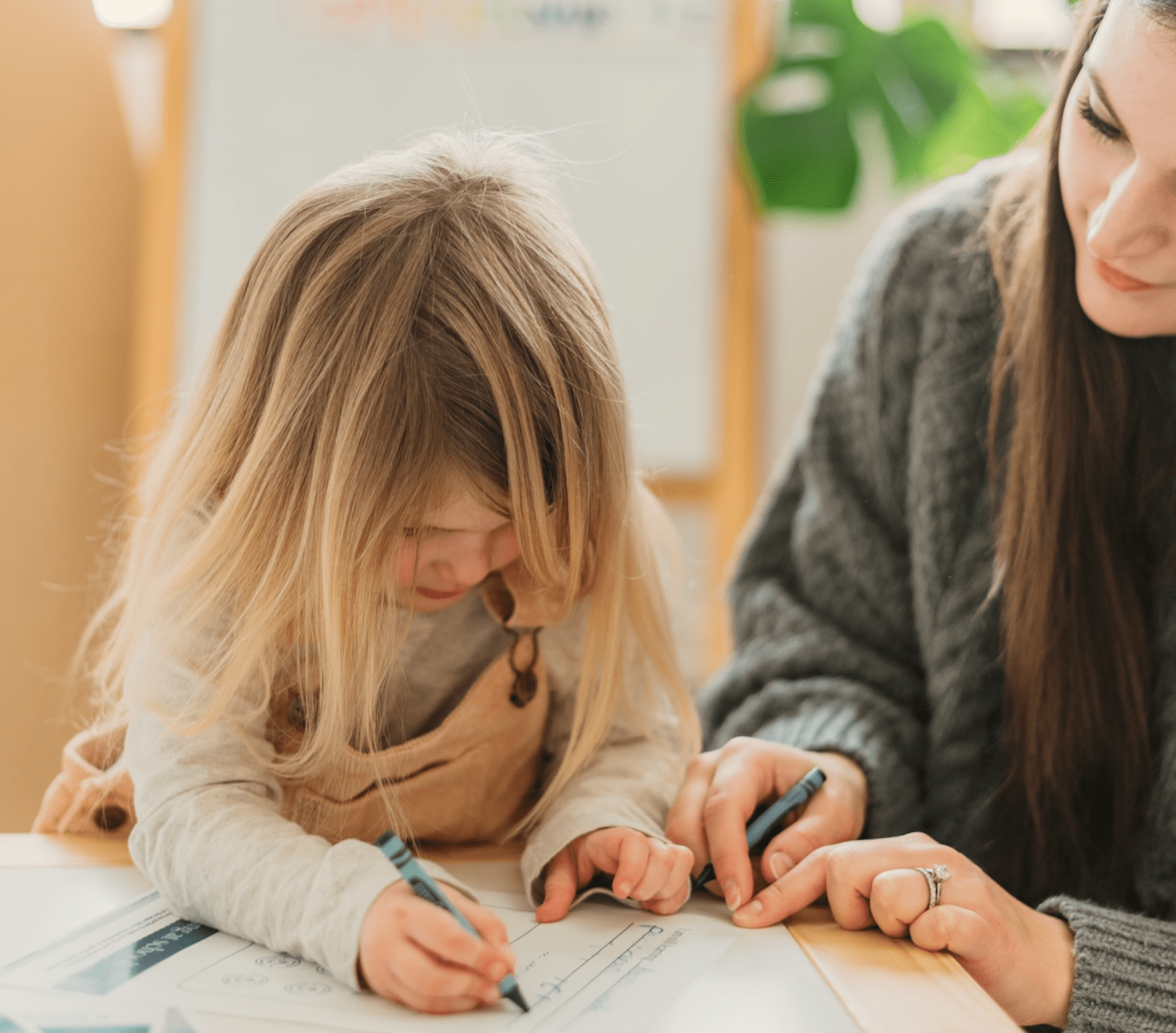
Connect-to-Grow supports a more conscious and compassionate world by helping children and their families:

Identify, embrace, and learn from all feelings, big and small
Deepen healthy relationships through meaningful moments in everyday life
Step into their most authentic selves and honor the diverse world in which we live
Lay the foundation for a lifetime of confidence, empathy, and resiliency

01
We employ a “Connect-to-Grow” approach that can be summed up as “connect, reflect, practice, grow.” While learning will always start with connection, our approach is intended to be dynamic, rather than a step-by-step process.
02
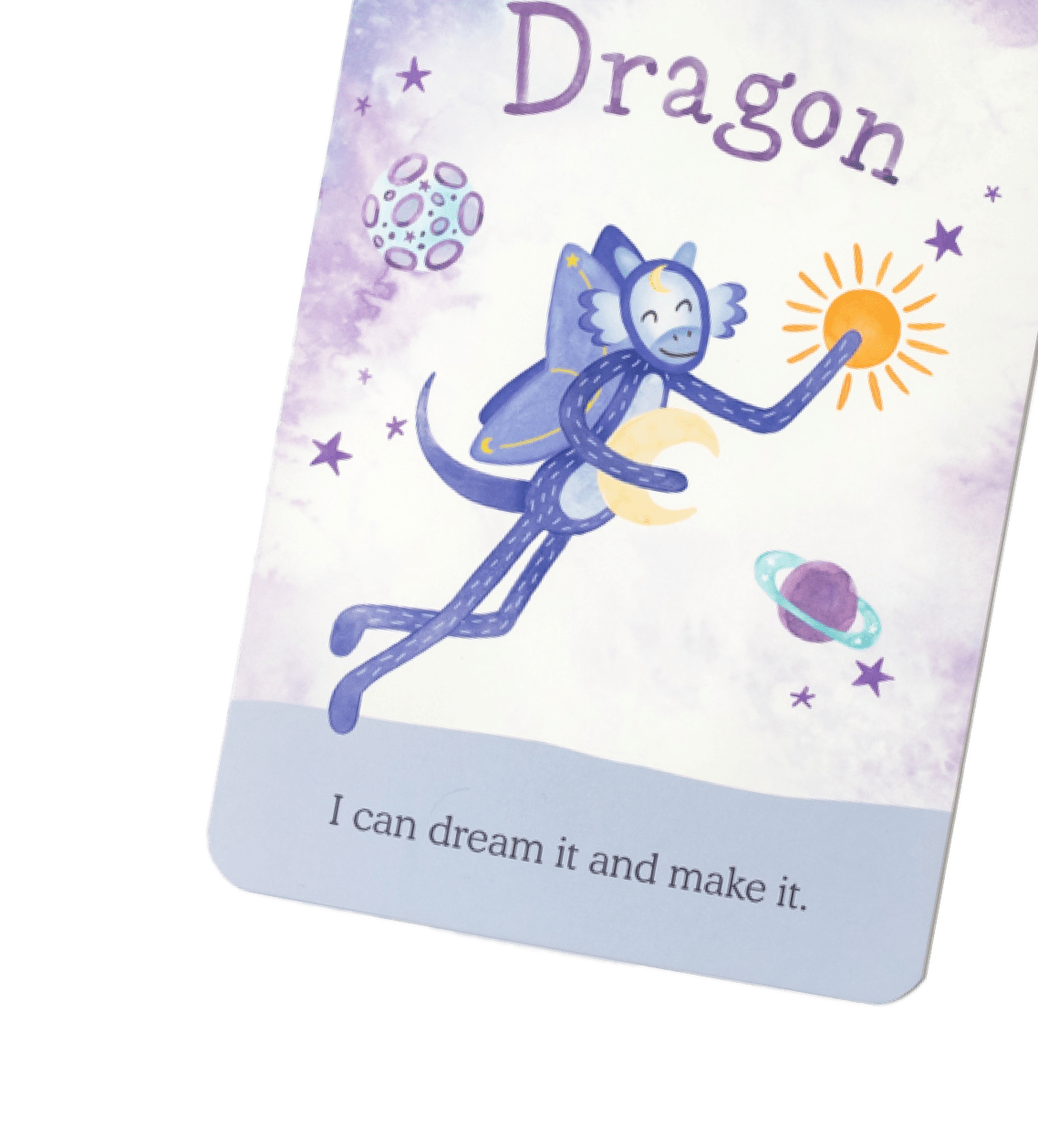
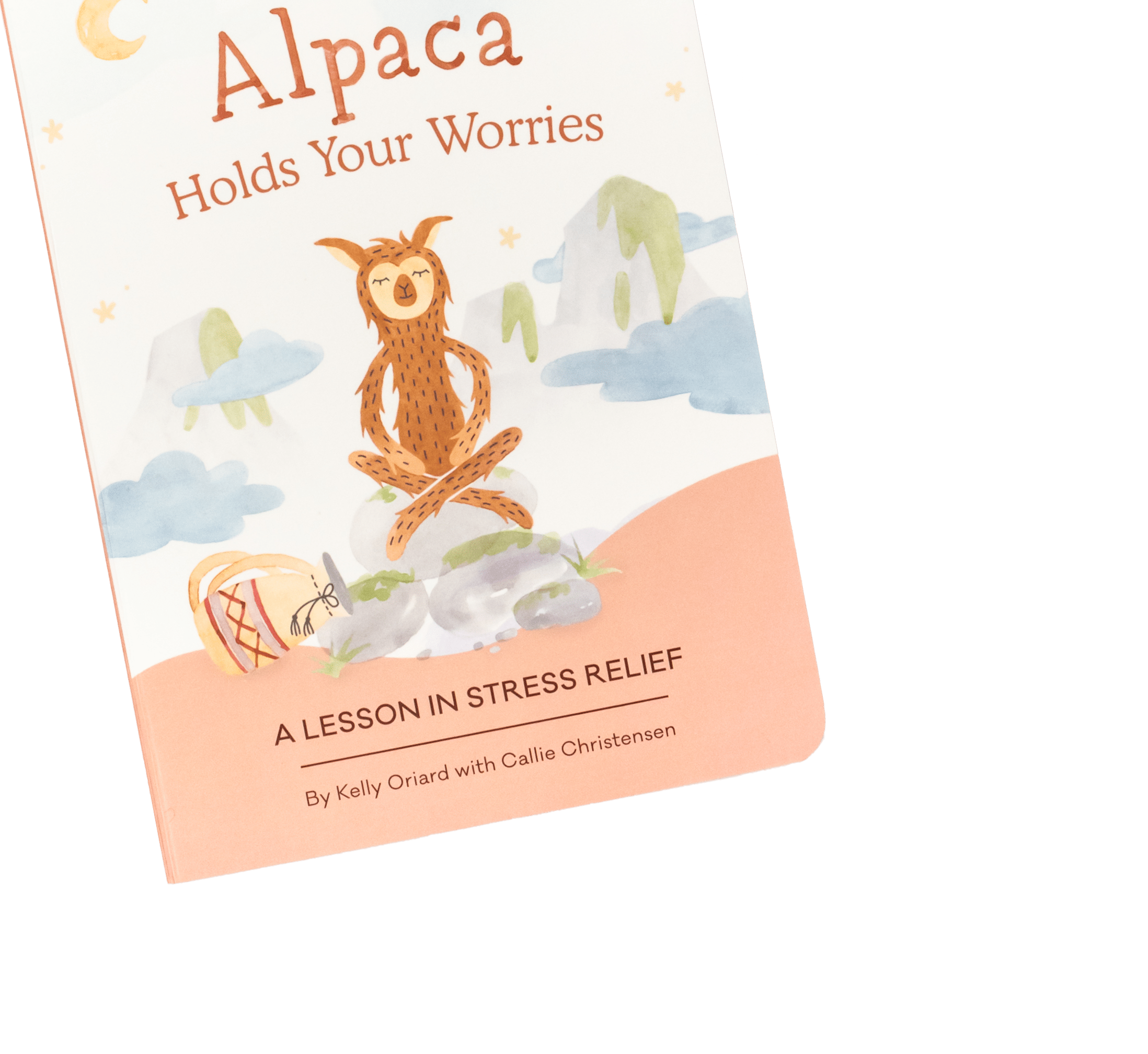
Our creatures are relatable for a reason. They help parents facilitate meaningful moments of connection that allow children to feel seen, valued, and loved at the deepest level. Allowing all feelings to be expressed in these moments of connection helps solidify the bonds that are essential for an emotionally healthy childhood.


03
Here we apply two definitions of “reflect,” the first meaning to mirror. Young children develop a sense of self when their parents and primary caregivers mirror and reflect back the child’s feelings, responses, and actions.
“You look like you are about to cry. Your eyes are watering, you’re holding your breath, and you’re looking down at your shoes.”
As we help our children build a sense of self and understand what it means to be human, mirroring is a way we can show our children that we accept them and that we promote the full and healthy expression of emotions.
This brings us to the other meaning of reflect. When children feel seen, heard, and understood by their parents, they can feel safe to engage in self-reflection. Parents can model self-talk, approach difficult feelings with curiosity rather than judgment, and use deep breathing or body regulation techniques to help their children internalize behavior that encourages self-reflection.

04
To reinforce the connection we have with our children, we must actively participate in their emotional growth journey, repeating these processes of “connect” and “reflect.” When children see a parent identify their emotions, acknowledge their mistakes, and practice self-awareness, they are actively gaining tools and coping mechanisms for emotional wellness.


05
Growth isn’t a “final step” or linear progression. Emotional growth can be messy and uncomfortable and can start at any age. When we engage in our children’s emotional development early, we can empower them to be more caring, confident, and resilient, where they see every experience—pleasant or difficult—as an opportunity for growth.
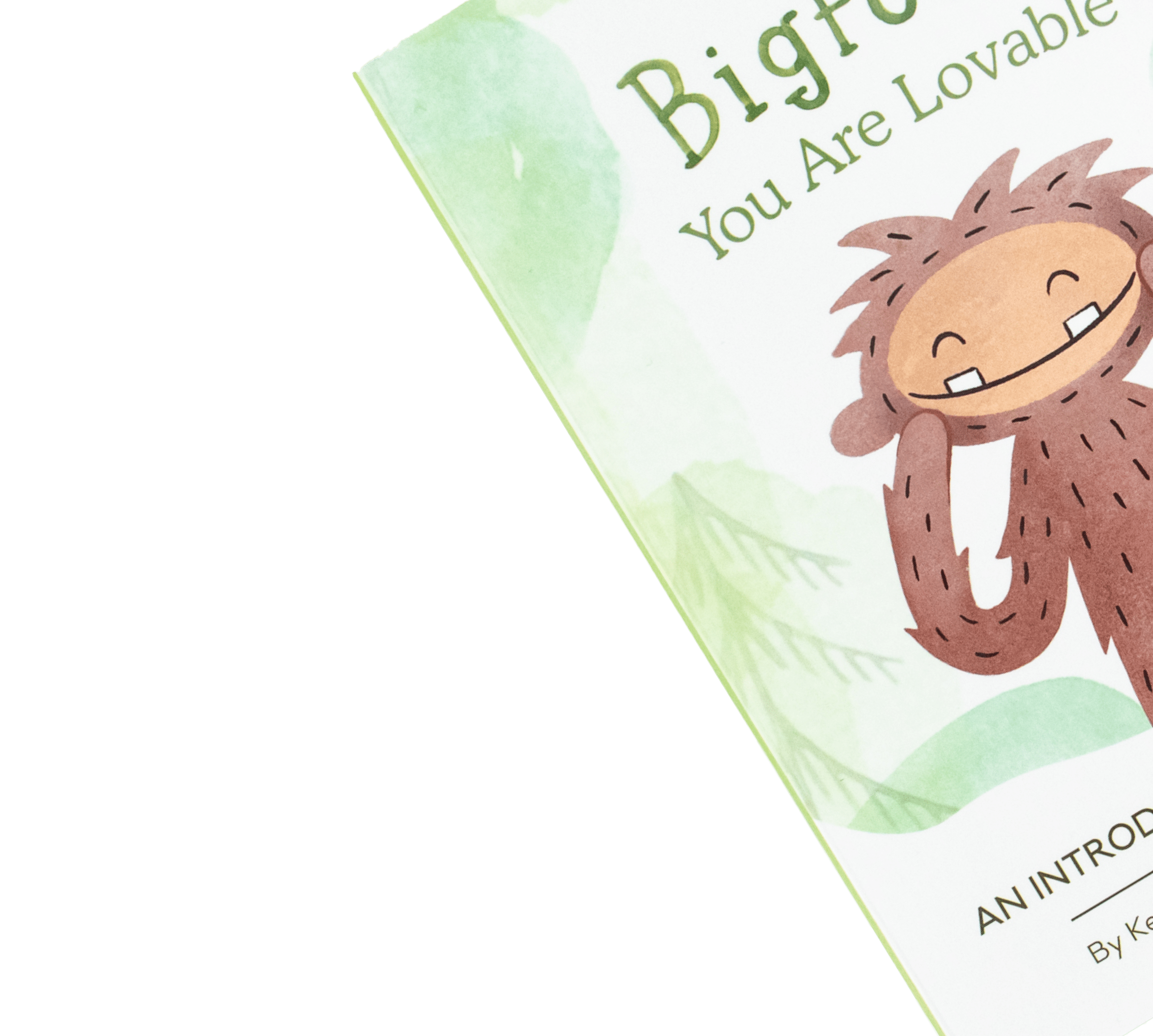
Bigfoot’s affirmation
Slumberkins affirmations proactively support building emotional health and resiliency for more meaningful moments throughout the day.
Our Product
We invite you to meet our creatures and apply our Connect-to-Grow approach through storytelling, affirmation practice and play.

For Parents
Families can select which tools and lessons best fit their needs and bring those lessons right into the home.
For Educators
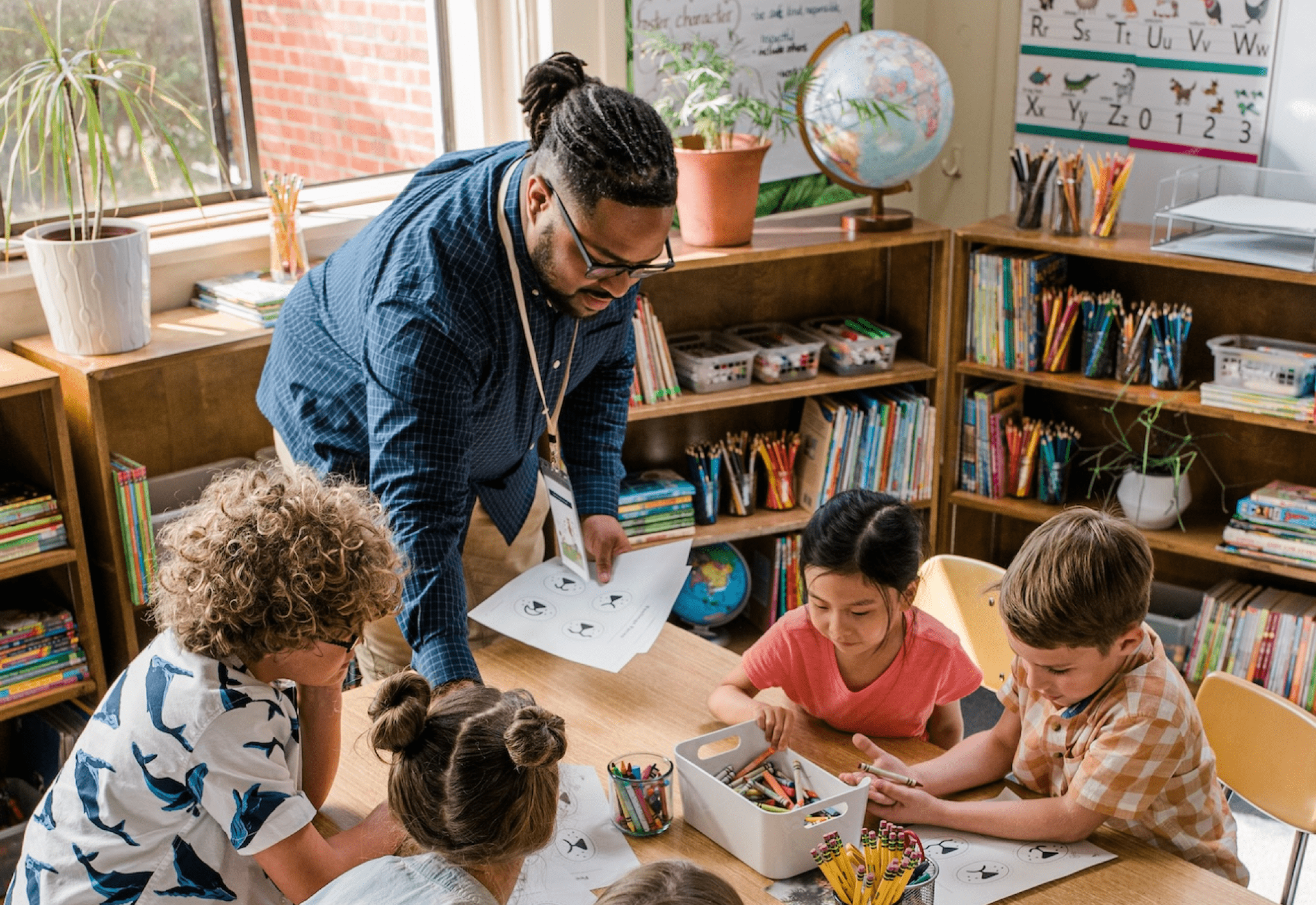
Our curriculum offers an innovative and therapeutic approach to children’s emotional learning. With easy-to-implement, evidence-based tools, educators are empowered to build a classroom community that fosters strong peer-to-peer relationships, teacher-to-peer relationships, and a diversity of learning styles.
Grounded in the home-school connection, we created the following resources to help educators work closely with students and their families in the realm of social-emotional learning.
Therapeutic Inspiration
Connect-to-Grow is influenced by an integration of therapeutic approaches that work together to support children and their relationships with others.